Geriatric Acupuncture for Healthy Aging
Posted on: 2026-07-13
By: Kaiya Whitmore
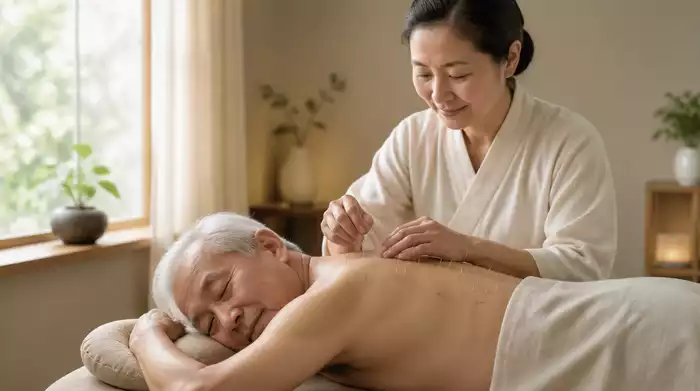
As our society ages, the search for effective, non-invasive healthcare solutions becomes increasingly vital. This is where geriatric acupuncture shines, blending ancient wisdom with modern needs to enhance the well-being of seniors.
What You Will Learn
- Geriatric acupuncture offers individualized treatment plans tailored to the unique health concerns of older adults.
- This holistic approach addresses physical, emotional, and mental health, recognizing the interconnectedness of well-being.
- Acupuncture serves as a non-drug alternative for managing chronic pain, anxiety, and mobility issues in seniors.
- Integrating geriatric acupuncture with conventional treatments can enhance patient satisfaction and overall health outcomes.
- Understanding Medicare coverage is crucial for seniors seeking acupuncture, as benefits can vary based on specific conditions.
- Out-of-pocket costs for acupuncture may range from $50-$150 per session, highlighting the importance of discussing financial options with practitioners.
- Patient testimonials illustrate the real-life benefits of acupuncture, from pain relief to improved sleep and reduced anxiety.
- Combining acupuncture with physiotherapy can optimize treatment results by enhancing mobility and addressing both physical and emotional health.
Benefits of Geriatric Acupuncture vs. Traditional Treatments
Geriatric acupuncture offers unique advantages compared to traditional treatments. Below is a visual representation of the key distinctions.
Root Cause Focus
Acupuncture addresses the root causes of ailments rather than just alleviating symptoms.
Fewer Side Effects
It often has fewer side effects compared to many pharmaceutical options.
Drug-Free Approach
Seniors seeking a drug-free approach may find acupuncture aligns better with their health goals.
Enhanced Treatment Outcomes
Patients often report better results when combining therapies.
Understanding Geriatric Acupuncture and Its Role in Healthy Aging
As we age, our bodies undergo various changes that can impact our health and well-being. Geriatric acupuncture is an approach that focuses on addressing these changes holistically, offering a natural and effective way to support senior care. It’s fascinating how acupuncture, an ancient practice, has evolved to meet the specific needs of our aging population, reinforcing the integrity of traditional medicine while aligning with modern wellness principles. For more information on the effectiveness of this practice, explore acupuncture scientific insights on effectiveness.
This practice involves utilizing acupuncture techniques tailored specifically for older adults. By focusing on the unique challenges faced by seniors, geriatric acupuncture aims to enhance their quality of life. I’ve seen firsthand the positive effects this approach can have, providing relief and promoting overall well-being in a gentle yet effective manner!
Defining Geriatric Acupuncture: A Holistic Approach to Senior Care
Geriatric acupuncture is defined as the application of acupuncture techniques that cater to the specific needs of older adults. It combines the principles of Traditional Chinese Medicine (TCM) with a modern understanding of aging. This holistic approach not only addresses physical ailments but also supports emotional and mental health, recognizing that all aspects of well-being are interconnected.
In my practice at Acupuncture Perspectives, I've observed how personalized acupuncture treatments can lead to remarkable improvements in the lives of seniors. Some key aspects of geriatric acupuncture include:
- Individualized Treatment Plans: Each session is designed based on the patient's specific health concerns.
- Focus on Gentle Techniques: Treatments are tailored to ensure comfort and safety for older adults.
- Whole-Body Approach: Emphasizes the balance between mind, body, and spirit.
Addressing the Aging Population: The Need for Non-Drug Alternatives
As the global population ages, there is an increasing awareness of the need for non-drug alternatives to manage health conditions effectively. Many seniors are looking for ways to avoid or reduce reliance on medications that often come with unwanted side effects. Acupuncture provides a refreshing alternative that focuses on natural healing.
Moreover, non-drug therapies like acupuncture can significantly enhance seniors’ quality of life by:
- Reducing Chronic Pain: Managing conditions such as arthritis or neuropathy.
- Promoting Relaxation: Helping to alleviate anxiety and stress, which can be heightened in later years.
- Improving Mobility: Supporting better movement and physical function.
Integrative Medicine and Geriatric Acupuncture: A Complementary Approach
Integrative medicine combines conventional and alternative practices to treat patients holistically. Geriatric acupuncture fits seamlessly into this framework by complementing traditional medical treatments. This synergy allows seniors to experience greater overall wellness while ensuring that their specific health conditions are addressed comprehensively.
Incorporating geriatric acupuncture into an integrative approach can lead to:
- Enhanced Treatment Outcomes: Patients often report better results when combining therapies.
- Improved Patient Satisfaction: Feeling empowered in their health journey.
- Increased Knowledge: Understanding the benefits of both traditional and alternative therapies.
At Acupuncture Perspectives, I strive to create an environment where patients feel safe and informed about their treatment options. It’s all about providing the best care for those I serve, and geriatric acupuncture is a vital part of that mission!
Pro Tip
Did you know? Incorporating gentle movement exercises, such as tai chi or yoga, alongside geriatric acupuncture can enhance its benefits. These practices improve flexibility and balance, further promoting overall wellness for seniors.
Addressing Medicare Coverage and Costs for Geriatric Acupuncture
When it comes to accessing acupuncture for our senior population, understanding the financial aspect is crucial. Medicare coverage can be a bit tricky, particularly for those looking to incorporate geriatric acupuncture into their wellness routines. Let’s dive into the specifics of Medicare Part B restrictions and benefits to clarify what seniors can expect when seeking this valuable treatment.
Medicare Part B typically covers certain outpatient services, but the guidelines can vary widely. Here are the key points to keep in mind:
- Acupuncture is covered for specific conditions, like chronic pain, if deemed medically necessary.
- Patients may require a referral from their primary care physician.
- Not all acupuncturists are eligible for Medicare reimbursement, so it's essential to verify their credentials.
It's understandable to feel overwhelmed when navigating these details! My own experiences at Acupuncture Perspectives have shown me how essential it is for seniors to be informed about their options. This knowledge not only empowers them but also fosters an environment of open dialogue about holistic health strategies. For deeper insights into this traditional healing practice, consider reading about understanding acupuncture and Chinese medicine.
Evaluating Out-of-Pocket Costs for Seniors Seeking Acupuncture
While Medicare can cover some aspects of geriatric acupuncture, many seniors still face out-of-pocket costs. It helps to break down those potential expenses to make informed decisions. Here’s a quick overview of what to consider:
- Initial consultation fees, which can vary by practitioner.
- Treatment sessions, usually ranging between $50-$150 per visit.
- Package deals or discounts for multiple sessions, often available at clinics.
By discussing financial options with practitioners, seniors can better understand how to manage their healthcare budgets. At Acupuncture Perspectives, we aim to provide transparency around costs to help our community make choices that best suit their needs.
Comparative Analysis: Geriatric Acupuncture vs. Traditional Treatments
As we explore the benefits of geriatric acupuncture, it’s valuable to compare it to traditional treatments. This analysis can illuminate why many seniors are turning to acupuncture for holistic healing. Here are some significant distinctions:
- Acupuncture addresses the root causes of ailments rather than just alleviating symptoms.
- It often has fewer side effects compared to many pharmaceutical options.
- Seniors seeking a drug-free approach may find acupuncture aligns better with their health goals.
During my time practicing and providing insights at Acupuncture Perspectives, I've seen firsthand the powerful transformations that can result from integrating acupuncture into elderly care plans. It's not just about treating pain; it’s about enhancing overall well-being!
Patient Stories: Real-Life Benefits of Acupuncture in Elder Care
Nothing speaks louder than real-life experiences! We've witnessed incredible stories from patients who have embraced geriatric acupuncture. Here are a few highlights:
- Mary, a 72-year-old, found relief from arthritis pain after just a few sessions.
- John, 68, reported improved sleep quality, allowing him to feel more energized during the day.
- Linda, a 75-year-old, experienced reduced anxiety levels, enabling her to engage more actively in social activities.
These stories not only inspire but also underline the holistic benefits of acupuncture as an alternative to conventional treatments. As I share these stories through Acupuncture Perspectives, I hope to encourage other seniors to consider this approach to their health!
Complementary Therapies: Acupuncture and Physiotherapy
Combining therapies can often yield the best results for seniors. When we look at the synergy between acupuncture and physiotherapy, the benefits become even more pronounced. Here’s how they complement each other:
- Acupuncture can relieve pain, allowing for more effective physical therapy sessions.
- Both treatments enhance mobility and flexibility, crucial for seniors.
- They work together to improve overall health outcomes, addressing both physical and emotional well-being.
At Acupuncture Perspectives, I am a firm believer in integrating various therapeutic approaches. The combination of acupuncture with physiotherapy not only provides relief but also promotes a comprehensive healing journey for our elderly community. For additional insights into how acupuncture supports various health conditions, explore acupuncture insights for chronic conditions.
Frequently Asked Questions About Geriatric Acupuncture
Here are some common questions about geriatric acupuncture:
- What is geriatric acupuncture?
Geriatric acupuncture is a specialized application of acupuncture techniques designed to meet the unique health needs of older adults, focusing on holistic well-being, pain management, and emotional health. - How does geriatric acupuncture differ from traditional medical treatments?
Geriatric acupuncture focuses on addressing the root causes of ailments, often has fewer side effects, and provides a drug-free alternative compared to many traditional pharmaceutical options. - What conditions can geriatric acupuncture help manage?
It can help manage chronic pain (like arthritis), anxiety, stress, sleep disturbances, and mobility issues, among other age-related conditions. - Is geriatric acupuncture covered by Medicare?
Medicare Part B may cover acupuncture for specific conditions, such as chronic low back pain, if deemed medically necessary. Coverage can vary, and it's essential to verify with your provider and acupuncturist. - What are the typical out-of-pocket costs for geriatric acupuncture?
Out-of-pocket costs can range from $50-$150 per session, varying by practitioner and location. It's advisable to discuss financial options and potential package deals with your chosen clinic. - Can geriatric acupuncture be combined with other therapies?
Yes, it integrates well with other therapies like physiotherapy, enhancing overall benefits by relieving pain and improving mobility, leading to better overall health outcomes.
Recap of Key Points
Here is a quick recap of the important points discussed in the article:
- Geriatric Acupuncture Definition: A holistic approach tailored for older adults, combining Traditional Chinese Medicine with modern health needs.
- Individualized Treatment Plans: Each acupuncture session is customized to address the specific health concerns of seniors.
- Benefits of Non-Drug Alternatives: Acupuncture effectively reduces chronic pain, promotes relaxation, and improves mobility without the side effects of medications.
- Integrative Medicine: Geriatric acupuncture complements traditional treatments, enhancing overall wellness and patient satisfaction.
- Medicare Coverage Insights: Understanding Medicare guidelines is crucial for seniors seeking acupuncture, as coverage varies based on specific conditions.
- Cost Considerations: Seniors should evaluate out-of-pocket costs, including consultation fees and session prices, to manage their healthcare budgets effectively.
- Comparative Benefits: Geriatric acupuncture addresses root causes of ailments with fewer side effects compared to traditional pharmaceutical treatments.
- Real-Life Patient Stories: Numerous seniors have experienced significant improvements in pain, sleep, and anxiety through geriatric acupuncture treatments.
- Complementary Therapies: The combination of acupuncture and physiotherapy can yield enhanced outcomes for seniors, improving both physical and emotional well-being.

 Did you know that integrating acupuncture into disaster relief can significantly enhance emotional r
 Acupuncture is more than just a healing practice; it's an evolving component of health insurance sys
 In a world where almost 70% of adults have experienced some form of trauma, understanding how to hea