Healing Traditions: Acupuncture in Africa
Posted on: 2025-12-22
By: Kaiya Whitmore
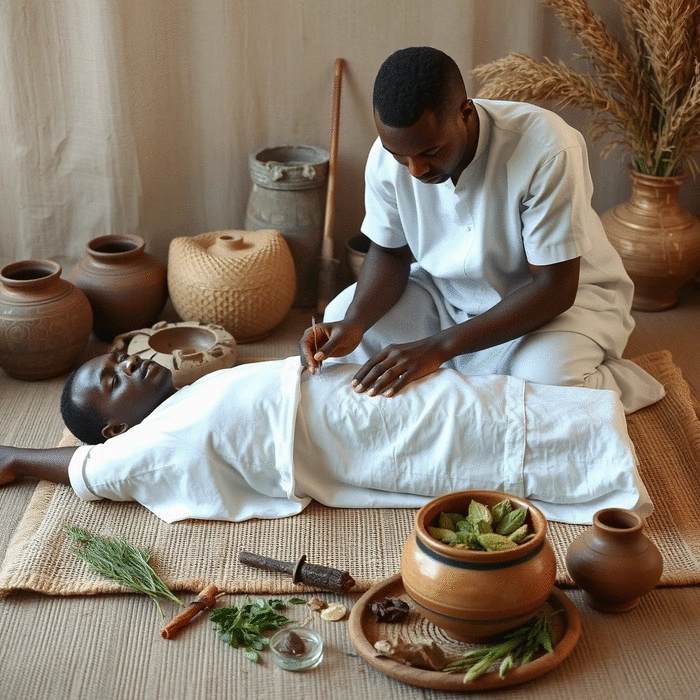
Imagine a world where traditional healing practices seamlessly blend with innovative acupuncture techniques to create a holistic health landscape. This transformation is already happening across Africa as communities seek effective, culturally relevant healthcare solutions.
What You Will Learn
- The integration of Traditional Chinese Medicine (TCM) in Africa offers holistic health solutions that resonate with local cultures.
- Acupuncture is being tailored to complement traditional African healing practices, enhancing effectiveness and patient acceptance.
- Affordability and accessibility make acupuncture a viable healthcare option in resource-limited regions, promoting community health.
- Case studies highlight successful applications of acupuncture in managing chronic pain and supporting overall well-being.
- Training initiatives, such as the PanAfrican Acupuncture Project, are empowering local practitioners and enhancing community trust in acupuncture.
- The synergy of acupuncture with herbal therapies and faith healing creates a more comprehensive approach to patient care.
- Innovations and challenges in integrating acupuncture into African health systems require collaborative efforts and regulatory frameworks.
- Community health workers play a crucial role in bridging traditional and modern healthcare, facilitating increased access to acupuncture.
- Visual engagement tools, such as infographics and patient outcome data, can enhance understanding and acceptance of acupuncture practices.
- Future research should focus on documenting successful acupuncture integrations within various African cultures to inspire broader adoption.
Exploring the Integration of Acupuncture and Traditional Medicine in Africa
Acupuncture is gaining traction across Africa, blending with traditional practices for holistic health solutions. Below are key components illustrating this integration and showcasing how acupuncture and Chinese medicine are making a difference.
Community Workshops
Most communities host workshops that combine acupuncture techniques with local healing rituals, enhancing cultural relevance and acceptance.
Herbal Blends
Practitioners often incorporate indigenous herbs into treatments, enriching the acupuncture experience and effectiveness.
Shared Knowledge
The interaction between TCM practitioners and local healers fosters a rich exchange of knowledge, enhancing treatment efficacy.
Affordability
Acupuncture serves as an affordable healthcare option, requiring minimal equipment compared to conventional therapies.
Understanding the Intersection of Acupuncture and Traditional Medicine in Africa
Acupuncture has a rich history, but its integration into African health systems is a fascinating journey. In exploring this intersection, we find that acupuncture, along with Traditional Chinese Medicine (TCM), is starting to shape the wellness landscape across the continent. Many communities are seeking holistic approaches to health that resonate with their cultural practices, creating a unique blend of ancient wisdom.
As we venture into this topic, let’s consider how these practices can work together. This perspective aligns perfectly with our mission at Acupuncture Perspectives: to enhance understanding and appreciation for acupuncture as a valuable health solution. Here, we will dive deeper into the role of TCM in Africa, the popular applications of acupuncture, and the training initiatives that are building capacity in local communities.
The Role of Traditional Chinese Medicine (TCM) in Africa
Traditional Chinese Medicine (TCM) is gaining traction in Africa, where many people are looking for effective, holistic health solutions. Acupuncture, as a core component of TCM, offers a unique approach to health issues that often complements traditional African healing practices. By integrating TCM principles, practitioners are finding new ways to address various health concerns, including managing chronic conditions.
One of the exciting aspects of this integration is the way local traditions influence TCM practices. Let's look at a few examples:
- Community Workshops: Many communities host workshops that combine acupuncture techniques with local healing rituals.
- Herbal Blends: Practitioners often incorporate indigenous herbs into acupuncture treatments, enhancing their effectiveness.
- Shared Knowledge: The interaction between TCM practitioners and local healers fosters a rich exchange of knowledge and techniques.
Integrating TCM Practices with Local Traditions
The synergy between TCM and local traditions is fascinating! For instance, in places like Kenya and Nigeria, acupuncturists often blend their techniques with local herbal medicine, creating a more personalized treatment experience. This collaborative approach resonates with patients who appreciate culturally relevant care.
Additionally, acupuncture's flexibility allows it to be adapted for various health conditions, thereby increasing its acceptance. This trend aligns with the growth of holistic health practices, and it’s inspiring to see how communities embrace these methods.
Affordability and Accessibility of Acupuncture
Access to healthcare is a critical issue in many regions of Africa, and acupuncture is carving a niche as an affordable option. With its minimal need for expensive equipment, acupuncture treatments can be provided at lower costs than many conventional therapies. This makes it an attractive alternative for communities where healthcare resources are limited.
Moreover, organizations like Acupuncture Perspectives advocate for affordable care, ensuring more people can experience the benefits of acupuncture. Here’s why affordability matters:
- Financial Relief: Patients can find relief without breaking the bank, making holistic health more accessible.
- Community Clinics: Many clinics offer sliding scale fees, allowing patients to pay what they can afford.
- Increased Access: More individuals can seek treatment, leading to improved overall health in communities.
Popular Applications of Acupuncture in Rural Areas
In rural areas of Africa, acupuncture is becoming a lifeline for many battling chronic pain and health issues. By addressing these challenges through acupuncture, practitioners are making significant strides in improving quality of life. The focus on practical applications ensures that acupuncture seamlessly fits into the existing healthcare framework, contributing to global wellness efforts.
Several key areas highlight the effectiveness of acupuncture in these regions:
- Pain Relief: Acupuncture has shown promise in alleviating chronic pain, offering hope to those who have exhausted other treatment options.
- Support for Chronic Conditions: Conditions like arthritis, headaches, and other chronic ailments are increasingly being treated with acupuncture.
- Boosting Immunity: Many practitioners use acupuncture to bolster patients' immune systems, especially during flu seasons.
Addressing Pain Relief and Chronic Health Issues
One of the most compelling applications of acupuncture in rural settings is its role in pain management. For those struggling with chronic conditions, acupuncture offers a drug-free alternative that can effectively reduce discomfort. Stories from patients highlight how acupuncture has changed their lives, allowing them to engage more fully with their families and communities.
By providing relief from pain and associated health issues, acupuncture not only improves individual well-being but also fosters a more vibrant community. This holistic approach resonates deeply with the ethos of Acupuncture Perspectives, as we seek to bridge the gap between ancient wisdom and modern health needs.
Case Studies: Effectiveness in Lesotho and South Africa
Examining specific case studies reveals the profound impact acupuncture can have in different contexts. For instance, in Lesotho, a community clinic utilized acupuncture to address chronic pain among miners, leading to remarkable recovery stories. Similarly, in South Africa, acupuncture has been integrated into pain management programs in hospitals, showcasing its versatility and effectiveness.
These success stories underscore the importance of research and evidence-based practice in promoting acupuncture. Here’s what we can learn:
- Documented Success: Case studies provide valuable insights into acupuncture's effectiveness in various populations.
- Community Feedback: Testimonials from patients emphasize the transformative power of acupuncture.
- Potential for Expansion: Positive outcomes encourage further research and integration into healthcare systems.
Training and Capacity Building Initiatives
To ensure the success of acupuncture practices across Africa, training and capacity building are vital. Initiatives focused on educating local practitioners play a crucial role in fostering a sustainable acupuncture community. By empowering individuals with knowledge and skills, we pave the way for more widespread acupuncture acceptance and practice.
One notable initiative is the PanAfrican Acupuncture Project, which aims to train practitioners in various acupuncture techniques. This project not only enhances the skills of local healthcare workers but also builds trust within communities, leading to increased acceptance of acupuncture as a viable treatment option.
Overview of the PanAfrican Acupuncture Project
The PanAfrican Acupuncture Project serves as a beacon of hope, providing vital training in acupuncture techniques to practitioners across the continent. This initiative aligns with the mission of Acupuncture Perspectives to promote holistic health solutions. The training focuses on essential skills, ensuring practitioners can effectively address a range of health issues, reflecting broader global expert views on acupuncture training.
Here are some key components of the project:
- Workshops and Seminars: Regular training sessions help practitioners stay updated on the latest techniques and best practices.
- Mentorship Opportunities: Experienced acupuncturists provide mentorship, fostering a supportive learning environment.
- Community Engagement: Training programs often involve local health workers, promoting integration into the healthcare system.
Training Locals for HIV/AIDS, Malaria, and TB Treatments
Acupuncture is also being leveraged to support treatment for significant health issues such as HIV/AIDS, malaria, and tuberculosis (TB). Training local practitioners to utilize acupuncture can provide additional support alongside conventional therapies, showcasing the adaptability of acupuncture in addressing various health concerns.
The benefits of this integrated approach include:
- Holistic Support: Acupuncture can help manage symptoms and improve overall well-being for patients undergoing treatment.
- Community Health Workers: Empowering local health workers with acupuncture skills increases access to care.
- Comprehensive Care: Combining acupuncture and traditional treatments promotes a more holistic approach to healthcare.
Exploring the Prevalence of Traditional Complementary and Alternative Medicine (TCAM)
As we navigate the landscape of health in Africa, it's essential to recognize the prevalence of Traditional Complementary and Alternative Medicine (TCAM). Many communities rely on a blend of modern medical practices and traditional healing methods, including acupuncture. This dual approach emphasizes the importance of culturally relevant care and patient preferences.
Let’s take a closer look at some of the components of TCAM:
- Herbal Therapies: Many patients turn to herbal remedies that have been used for generations, often combining them with acupuncture.
- Faith Healing: Spiritual practices play a significant role in health and healing, complementing acupuncture treatments.
- Bone Setting: Traditional bone setters are highly regarded in many communities, providing valuable care alongside acupuncture.
Use of Herbal Therapies and Acupuncture in Health Care
The integration of herbal therapies with acupuncture enriches the overall treatment experience. For instance, practitioners may recommend certain herbs to bolster the effects of acupuncture treatments. This combination not only enhances healing but also resonates with patients who are accustomed to using herbal remedies.
By embracing these practices, we are fostering a more holistic health approach that aligns with the values of Acupuncture Perspectives. It’s about meeting patients where they are and offering them solutions that feel relevant and effective!
The Significance of Faith Healing and Bone Setting Practices
Faith healing and bone setting practices are deeply rooted in many African cultures and serve as essential components of the healthcare landscape. These practices often coexist with acupuncture, providing patients with a diverse array of treatment options. As we delve deeper, it becomes evident how these modalities can work together.
Here’s what we can glean from the significance of these practices:
- Cultural Relevance: Patients often feel more comfortable receiving care that respects their cultural beliefs.
- Complementary Approaches: Different modalities can enhance healing, offering a comprehensive treatment plan.
- Community Trust: Traditional healers often hold significant trust within their communities, making it vital to integrate their practices.
Incorporating African Herbal Medicine and Ethnomedicine
African herbal medicine and ethnomedicine play a vital role in the healthcare framework. By incorporating these practices into acupuncture treatment plans, practitioners can offer a more tailored approach to care. This not only respects the cultural background of patients but also enhances treatment effectiveness.
Many acupuncturists are beginning to explore the rich tapestry of African herbs, leading to innovative combinations that resonate with local communities. This integration aligns beautifully with our mission at Acupuncture Perspectives, as we strive to promote holistic health solutions that reflect the wisdom of both ancient and modern practices.
Innovations and Challenges in Integrating Acupuncture
While the integration of acupuncture into African health systems presents numerous opportunities, it also comes with challenges. From regulatory frameworks to economic impacts, navigating this landscape requires careful consideration. As we explore these innovations and challenges, it’s clear that progress is possible through collaboration and community engagement.
Understanding the landscape of acupuncture integration will help us find solutions. Here are some key considerations:
- Regulatory Frameworks: Establishing guidelines for acupuncture practices ensures safety and efficacy.
- Economic Impact: Evaluating the financial sustainability of acupuncture clinics in local communities can guide future initiatives.
- Community Health Workers: Engaging local health workers in acupuncture training can bridge gaps in care.
Regulatory Frameworks for Acupuncture Practices in Africa
Establishing clear regulatory frameworks for acupuncture practices is essential for ensuring safety and efficacy. As more practitioners enter the field, the need for standardized guidelines becomes crucial. This not only protects patients but also enhances the credibility of acupuncture as a legitimate health practice.
Several steps can be taken to develop these frameworks:
- Collaborative Development: Involving stakeholders from various sectors can lead to more comprehensive regulations.
- Ongoing Training: Regular training for practitioners ensures they are updated on best practices.
- Patient Safety Initiatives: Implementing safety protocols can enhance trust in acupuncture treatments.
Economic Impact and Long-term Efficacy Studies
The economic impact of integrating acupuncture into healthcare systems is significant. As communities embrace acupuncture, it's important to assess its long-term efficacy. By conducting studies that evaluate outcomes, we can better understand its role in health improvement.
Here’s why these studies are crucial:
- Data-Driven Decisions: Evidence from long-term studies can guide policy and funding for acupuncture programs.
- Showcasing Success: Highlighting positive outcomes can encourage more practitioners to adopt acupuncture.
- Resource Allocation: Understanding economic impacts helps in prioritizing healthcare initiatives.
Exploring the Role of Community Health Workers in Acupuncture
Community health workers are pivotal in implementing acupuncture practices. Their knowledge of local customs and health challenges makes them invaluable in bridging the gap between traditional and modern healthcare. Training community health workers to provide acupuncture can significantly enhance access to holistic care.
Here’s how community health workers can contribute:
- Local Trust: Their established relationships with community members foster trust in acupuncture treatments.
- Education and Awareness: They can educate the community about the benefits of acupuncture.
- Support Systems: Community health workers can provide follow-up care and support for patients.
Visual Engagement: Enhancing Understanding of Acupuncture Practices
Visual engagement is a powerful tool for enhancing understanding of acupuncture practices. Utilizing acupuncture point maps and infographics can simplify complex information, making it more accessible to patients. This approach aligns with our goal at Acupuncture Perspectives to bridge knowledge gaps and foster community awareness.
By presenting information visually, we can enhance the learning experience. Here are some ways to achieve this:
- Infographics: Create visual representations of acupuncture points and their associated benefits.
- Patient Outcome Data: Share statistics and success stories to highlight the effectiveness of acupuncture.
- Workshops and Demonstrations: Host events that visually demonstrate acupuncture techniques to community members.
Utilizing Acupuncture Point Maps and Infographics
Acupuncture point maps are invaluable resources for both practitioners and patients. These visual aids help demystify the treatment process, making it easier for individuals to understand how acupuncture can benefit them. By incorporating these tools into our educational efforts, we can enhance patient engagement and knowledge.
Infographics can also convey important information in a digestible format. For example, showcasing the specific acupuncture points used for pain relief can empower patients to take charge of their health.
Patient Outcome Data: Bridging the Knowledge Gap
Sharing patient outcome data is essential for building trust in acupuncture practices. When patients see concrete examples of success, they are more likely to embrace acupuncture as a viable treatment option. Highlighting these outcomes can inspire others to explore acupuncture for their health needs.
At Acupuncture Perspectives, we believe that knowledge is power! By collecting and sharing patient stories, we can foster a community that values the transformative potential of acupuncture.
Quick Summary
Here's a brief recap of the key points discussed so far:
- Acupuncture is increasingly integrating with Traditional African healing practices, creating a holistic approach to healthcare.
- Local traditions and herbal remedies enhance the effectiveness of acupuncture treatments, making them more culturally relevant.
- Training initiatives, like the PanAfrican Acupuncture Project, are vital for empowering local practitioners and expanding acupuncture's reach.
Frequently Asked Questions About Acupuncture and Traditional Medicine in Africa
- What role does Traditional Chinese Medicine (TCM) play in Africa?
TCM, particularly acupuncture, is increasingly integrated into African health systems, offering holistic solutions that complement traditional African healing practices and address various health concerns. - How does acupuncture integrate with local African traditions?
Acupuncture often blends with local healing rituals, such as community workshops and the incorporation of indigenous herbs, enhancing cultural relevance and treatment effectiveness. - Is acupuncture an affordable healthcare option in Africa?
Yes, acupuncture is considered an affordable healthcare option due to its minimal need for expensive equipment, making it accessible in resource-limited regions. - What are the popular applications of acupuncture in rural African areas?
Acupuncture is commonly used for chronic pain relief, support for chronic conditions like arthritis and headaches, and boosting the immune system in rural areas. - What is the PanAfrican Acupuncture Project?
It is a significant initiative that trains practitioners in various acupuncture techniques across Africa, enhancing local healthcare workers' skills and building community trust in acupuncture. - How do regulatory frameworks impact acupuncture in Africa?
Establishing clear regulatory frameworks is crucial for ensuring the safety and efficacy of acupuncture practices, protecting patients, and enhancing the credibility of acupuncture as a legitimate health practice.
Summarizing the Future of Acupuncture and Traditional Medicine in Africa
As we reflect on the advancements and integrations of acupuncture within Africa, it's important to recognize the future potential that lies ahead. The combination of traditional medicine and acupuncture practices is not just a trend; it's a journey towards enhanced health outcomes for countless individuals. We're witnessing a growing acceptance of these holistic approaches, paving the way for a vibrant and inclusive healthcare framework.
One major area that requires attention is the identification of content gaps in our understanding of how acupuncture can be utilized across various African cultures. Future research should focus on country-specific case studies that highlight success stories. This will not only help us understand the effectiveness of acupuncture but also provide evidence that can inspire other regions to adopt similar practices. This aligns with our commitment to providing insights on acupuncture benefits.
- Investigating the impact of acupuncture on chronic pain management.
- Documenting success stories from individual countries.
- Evaluating the integration of TCM with local traditional healing.
Encouraging Community Involvement and Education
One of the most promising aspects of integrating acupuncture into African healthcare is the potential for community involvement. Local training programs and workshops play a critical role in educating both practitioners and the public about the benefits of acupuncture. By empowering community members with knowledge, we can foster a deeper appreciation for traditional and modern health practices.
Engagement doesn’t stop with training; it extends to creating awareness campaigns that help the community understand how acupuncture can improve their well-being. Community health education is essential in breaking down misconceptions about acupuncture and building trust in its effectiveness. This is a journey we can all partake in, aiming for a healthier future together!
- Organizing local workshops on acupuncture techniques.
- Creating awareness campaigns to inform the community.
- Encouraging discussions about personal health journeys.
Final Thoughts on Holistic Health Approaches
As I reflect on the intersection of traditional medicine and acupuncture, I can't help but emphasize the significant role that traditional medicine plays in improving health outcomes in rural areas. These practices are not mere alternatives; they are vital components of a holistic approach to health that takes into account cultural beliefs and local practices.
At Acupuncture Perspectives, we believe in fostering collaboration between Traditional Chinese Medicine and local practices. This collaborative spirit can lead to innovative solutions that not only enhance individual health but also strengthen community resilience. So, let's come together, share knowledge, and work towards a future where acupuncture and traditional medicine thrive side by side, as we explore acupuncture in global healthcare systems!
- Fostering collaborations between TCM practitioners and local healers.
- Encouraging community-driven health initiatives.
- Supporting research that bridges the gap between these healing practices.
Recap of Key Points
Here is a quick recap of the important points discussed in the article:
- Integration of TCM: Traditional Chinese Medicine, particularly acupuncture, is increasingly being integrated into African health systems, offering holistic health solutions that resonate with local cultural practices.
- Community Engagement: Workshops combining acupuncture with local healing rituals and the incorporation of indigenous herbs enhance treatment effectiveness and community trust.
- Affordability and Accessibility: Acupuncture serves as an affordable healthcare option, especially in resource-limited settings, making it accessible to more individuals.
- Chronic Pain Management: Acupuncture is proving effective for chronic pain relief and support for various health conditions, improving the quality of life in rural areas.
- Training Initiatives: Programs like the PanAfrican Acupuncture Project are essential for building capacity and educating local practitioners to enhance acupuncture's acceptance.
- Holistic Approaches: The blend of acupuncture with traditional African healing methods fosters culturally relevant care that respects patients' beliefs and enhances treatment outcomes.
- Future Potential: Continued research and community involvement are crucial for expanding the understanding and effectiveness of acupuncture across diverse African cultures.

 Did you know that integrating acupuncture into disaster relief can significantly enhance emotional r
 Acupuncture is more than just a healing practice; it's an evolving component of health insurance sys
 In a world where almost 70% of adults have experienced some form of trauma, understanding how to hea