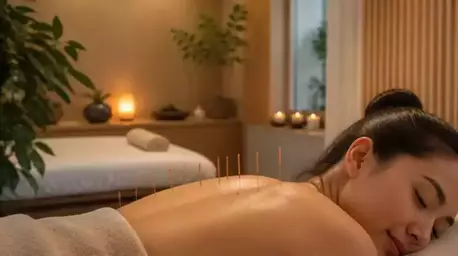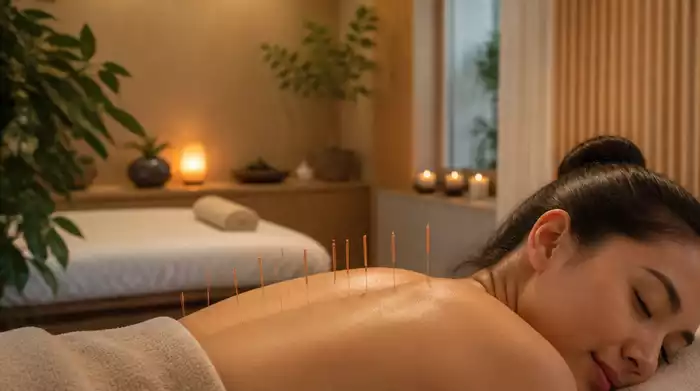
Improved Sleep Quality
Patients frequently report better sleep quality after undergoing acupuncture treatment.
Subscribe to get the latest insights and updates straight to your inbox.
Posted on: 2026-11-22
By: Kaiya Whitmore
Sleep disorders affect millions, disrupting lives and well-being. Did you know that acupuncture, an ancient practice, is gaining recognition as a powerful ally in improving sleep quality? Let’s delve into the significant ways acupuncture can help conquer sleep challenges.
Acupuncture has shown promising results in addressing various sleep-related issues, with clinical observations highlighting its effectiveness. Below are the main benefits associated with acupuncture treatments, which are part of a broader discussion on acupuncture benefits.
Patients frequently report better sleep quality after undergoing acupuncture treatment.
Many individuals experience a noticeable decrease in insomnia severity.
Acupuncture not only addresses sleep issues but also promotes overall well-being by reducing stress and anxiety.
Tailoring acupuncture sessions to individual needs enhances effectiveness, addressing specific sleep challenges.
Sleep disorders affect countless individuals, impacting their overall quality of life. From insomnia to sleep apnea, these conditions can lead to a cascade of health issues, including fatigue, irritability, and decreased productivity. Have you ever found yourself tossing and turning at night, yearning for a restful slumber? You’re not alone! Many people struggle with sleep-related issues, and understanding these disorders is the first step toward finding effective treatments.
Sleep disorders can be classified into several categories, each presenting unique challenges. Common types include:
The impact of these disorders can be profound, affecting not just sleep but also emotional well-being and daily functioning. Poor sleep can lead to increased stress, anxiety, and even chronic health conditions. At Acupuncture Perspectives, I’ve seen firsthand how deeply these issues resonate with individuals seeking holistic solutions, often looking for acupuncture for calm and balance.
Acupuncture is an ancient practice rooted in Traditional Chinese Medicine (TCM), believed to restore balance within the body. By inserting thin needles at specific points, acupuncture aims to stimulate energy flow, or “Qi.” This holistic approach has evolved, finding its place in modern wellness strategies. Today, acupuncture is embraced not only for pain management but also for improving sleep quality!
Research supports the use of acupuncture for various conditions, including sleep disorders. It's fascinating to see how a practice with thousands of years of history is adapting to contemporary health challenges. With each successful treatment, I am reminded of its potential to address issues like insomnia, helping patients reclaim their restful nights. This aligns with broader scientific insights on acupuncture effectiveness.
In TCM, sleep disorders are often linked to imbalances within the body's systems. Practitioners consider factors such as:
By addressing these underlying issues, acupuncture can help restore harmony within the body. I’ve witnessed remarkable transformations in my practice, where acupuncture treatments have led to improved sleep and overall well-being for many patients.
Did you know? Incorporating relaxation techniques such as deep breathing or meditation before acupuncture sessions can enhance the benefits of your treatment. These practices help calm the mind and body, making it easier for acupuncture to restore balance and promote restful sleep.
Acupuncture has shown promising results in treating various sleep disorders, including insomnia (difficulty falling or staying asleep), and can help alleviate symptoms of restless legs syndrome and sleep apnea by promoting overall balance and relaxation.
Acupuncture works by stimulating specific points in the body to restore the balance of "Qi" (energy flow), as per Traditional Chinese Medicine. This can lead to reduced stress and anxiety, improved relaxation, and regulation of the body's natural sleep-wake cycles, resulting in better sleep quality.
Yes, acupuncture takes a holistic approach by addressing not only the sleep disorder itself but also underlying factors such as stress, anxiety, and imbalances in the body's systems (like Yin and Yang, and organ health) that contribute to poor sleep. This comprehensive approach promotes overall well-being.
Absolutely. Effective acupuncture treatments are tailored to individual needs. Practitioners consider each patient's specific sleep challenges, overall health, and unique body constitution to create a personalized treatment plan, which enhances the effectiveness of the therapy.
You can stay informed by following reputable acupuncture and health blogs, subscribing to newsletters from acupuncture associations, participating in webinars or local workshops on holistic health, and exploring scholarly articles published in medical journals. Engaging with these resources can deepen your understanding of acupuncture's benefits for sleep.
As we look back on the compelling evidence gathered throughout our exploration of acupuncture and its role in sleep disorders, it's clear that this ancient practice holds significant promise. Many studies highlight that acupuncture is not just a complementary treatment but a viable alternative for individuals grappling with insomnia and disrupted sleep patterns. What stands out is how acupuncture can enhance both subjective experiences of sleep quality and objective sleep metrics, enriching the overall wellness experience. For those interested in understanding the core principles, exploring understanding acupuncture and Chinese medicine can provide a solid foundation.
In my journey as an acupuncturist at Acupuncture Perspectives, I’ve witnessed firsthand the transformative effects this practice can have on patients struggling with sleep issues. When integrating acupuncture into their routines, many have reported profound improvements in their sleep quality and daily lives. Whether through reduced anxiety or improved relaxation, the benefits are often deeply personal and impactful.
From the clinical observations and case studies, several key takeaways emerge that reinforce acupuncture's efficacy in treating sleep disorders:
These findings affirm acupuncture’s place within the broader conversation on sleep medicine. As we continue to bridge the gap between traditional practices and modern wellness, it’s essential to consider the profound effects that acupuncture can have on sleep disorders.
The exploration of acupuncture's role in treating sleep disorders does not end here. As we dive deeper into the research, I encourage everyone to stay informed about the latest findings. At Acupuncture Perspectives, we are dedicated to providing ongoing insights, so readers can remain engaged with current studies and practices in acupuncture.
Staying connected with recent developments in acupuncture and sleep medicine can enhance your understanding and appreciation of these practices. Here are a few ways you can keep informed:
By engaging with these resources, you can expand your knowledge and perhaps discover new ways acupuncture can benefit your sleep health.
Finally, I invite you to join the conversation! Have you or someone you know tried acupuncture for sleep disorders? Sharing your experiences can foster a supportive community and provide insights for others seeking relief. Feel free to reach out with your questions or stories about acupuncture treatments. Together, we can deepen our understanding and appreciation for this ancient practice, illuminating the path to better sleep and enhanced well-being.
At Acupuncture Perspectives, we’re excited to learn about your journeys and discuss how acupuncture might be a part of your wellness story. Let’s explore this transformative practice together! For more insights into how this ancient practice fits into modern healthcare, consider exploring acupuncture's role in modern medicine.
Here is a quick recap of the important points discussed in the article: