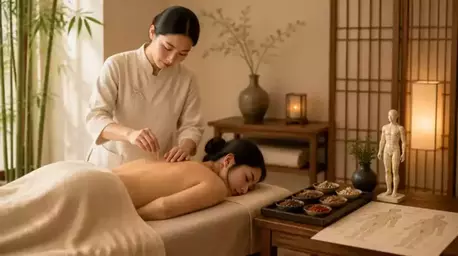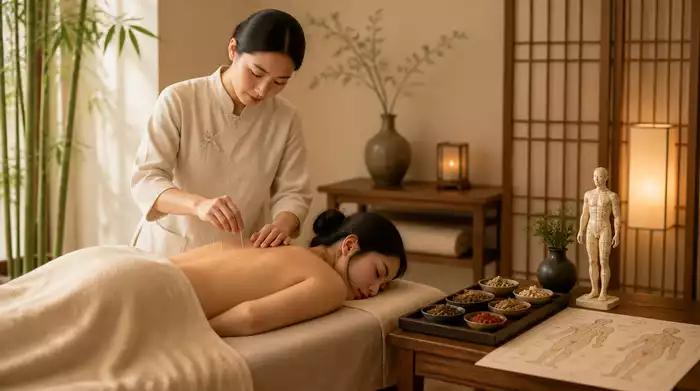
Korean Acupuncture
Focuses on specific points with an emphasis on the balance of Qi and often incorporates a unique diagnostic process.
Subscribe to get the latest insights and updates straight to your inbox.
Posted on: 2026-10-20
By: Kaiya Whitmore
Ever wondered how ancient practices can seamlessly blend with modern wellness? Traditional Korean acupuncture is not just about needles; it's a deep dive into holistic healing that has stood the test of time
Explore the distinctive characteristics of various acupuncture styles below.
Focuses on specific points with an emphasis on the balance of Qi and often incorporates a unique diagnostic process.
Utilizes a broader range of acupoints and often emphasizes the flow of energy through meridians.
Known for its gentle techniques and emphasis on the patient’s comfort, often using thinner needles.
Traditional Korean acupuncture is a fascinating subject that delves into the rich tapestry of healing practices that have been utilized for centuries. As I explore the unique aspects of this approach, it becomes clear that it not only reflects cultural traditions but also offers effective treatments for various ailments. At Acupuncture Perspectives, I am passionate about bridging ancient wisdom with modern wellness, and the nuances of Korean acupuncture exemplify this commitment. For more information on how acupuncture can benefit your health, explore insights on acupuncture benefits.
At its core, traditional Korean acupuncture is a holistic healing practice that involves inserting fine needles into specific points on the body to promote healing and balance. Unlike other styles, Korean acupuncture often emphasizes the integration of mind, body, and spirit, which is essential in achieving overall wellness. This approach provides a personalized experience, where treatments are tailored to the individual, considering their unique constitution and health concerns.
The techniques used in traditional Korean acupuncture have evolved over time, influenced by both historical practices and modern research. It's an art that goes beyond just needle insertion; it also includes a deep understanding of the body's energy, known as Qi. By tapping into this energy flow, practitioners aim to restore balance and harmony to their patients' lives.
In Korean medicine, acupuncture holds a pivotal role alongside other modalities, such as herbal treatments and manual therapies. It serves as a foundation for diagnosing and treating a wide array of conditions. By evaluating a patient's symptoms and lifestyle, practitioners can determine the most effective acupuncture techniques to use during treatment. Learn more about its foundational role in understanding acupuncture and Chinese medicine.
One of the beautiful aspects of this practice is its adaptability. Whether addressing chronic pain, stress, or digestive issues, acupuncture can be harmonized with other forms of therapy to enhance its benefits. This holistic approach reflects the philosophy at Acupuncture Perspectives, where I aim to provide comprehensive insights into all facets of acupuncture, ensuring that you have the best tools for your wellness journey.
While there are similarities among Korean, Chinese, and Japanese acupuncture, it's essential to understand their distinctive characteristics. Here’s a brief overview of how they compare:
This comparative understanding helps those interested in acupuncture make informed decisions about which style might suit their needs best. Each method has its strengths, and recognizing these differences can guide you on your path to wellness.
Korean acupuncture is distinctive in several ways. For instance, it often uses fewer needles than other practices while still achieving effective results. Additionally, practitioners may employ techniques such as Sa-am acupuncture, which focuses on a unique diagnostic approach that assesses the individual’s constitution. This allows for a more personalized treatment plan. Further insights into global practices can be found by exploring global acupuncture practices uncovered.
Another unique aspect is the incorporation of local health trends and patient feedback into practice. This adaptability ensures that treatments are not only rooted in tradition but also resonate with modern wellness philosophies. As I delve into Korean acupuncture, I am continually inspired by its ability to blend ancient practices with contemporary health needs.
Sa-am acupuncture is a specialized technique within Korean acupuncture that emphasizes the importance of understanding one's constitution. This approach focuses on both the physical and emotional aspects of health, making it particularly holistic. By identifying the individual's specific needs, practitioners can tailor treatments for optimal outcomes.
It's truly remarkable to witness how this method can lead to profound changes in a person's well-being. Whether aiming to relieve pain or manage stress, Sa-am acupuncture seeks to address the root causes of health issues rather than just the symptoms. This philosophy aligns beautifully with my mission at Acupuncture Perspectives, where I strive to elevate awareness of such transformative practices.
The concept of constitutional diagnosis plays a vital role in Sa-am acupuncture. By assessing unique traits, including physical characteristics and emotional states, practitioners can determine the most effective treatment strategies. This includes recognizing patterns that may indicate imbalances in the body and addressing them through targeted acupuncture points.
Through this process, patients often experience greater empowerment in their healing journey. Understanding your body’s signals is key to achieving lasting wellness, and I encourage everyone to explore how constitutional diagnosis can enhance their acupuncture experience.
Central to Korean acupuncture is the concept of Qi, or vital energy, which flows through pathways known as meridians. The balance of Qi is essential for maintaining health, and acupuncture helps to regulate this energy flow. By identifying blockages or imbalances, practitioners can use specific acupuncture points to restore harmony.
This understanding of Qi may seem complex, but at its heart, it’s about recognizing how energy affects your overall health. I often find that when patients learn about Qi, they feel more connected to their treatment, fostering a deeper sense of engagement in their healing process.
In practice, identifying the correct acupoints and meridians is crucial for effective treatment. Korean acupuncturists often use a detailed mapping of these points to tailor treatments specifically for each patient. Understanding where these points are located and how they interact with the meridians allows for a more precise approach to healing.
As I guide you through this journey at Acupuncture Perspectives, my goal is to help demystify these concepts, making them more accessible. Together, we can explore the intricate connections between acupoints, meridians, and your health.
The dynamic balance of Yin and Yang is foundational to the practice of Korean acupuncture. This concept illustrates how seemingly opposite forces can coexist and complement each other, reflecting a harmonious state in both the body and nature. By recognizing the Yin and Yang aspects within ourselves, practitioners can tailor treatments that support balance.
This understanding empowers practitioners to address the specific needs of each patient, leading to more effective outcomes. For instance, if a patient presents with symptoms of excess Yang energy, a practitioner may focus on Yin-nurturing techniques to restore balance. This intricate approach is what makes Korean acupuncture unique and effective.
The Five Elements Theory complements the concepts of Yin and Yang, categorizing different aspects of life into five groups: Wood, Fire, Earth, Metal, and Water. Each element corresponds to various organs, emotions, and characteristics. By identifying which elements may be out of balance, acupuncturists can provide targeted treatments that address both physical symptoms and emotional well-being.
This holistic perspective resonates deeply with my philosophy at Acupuncture Perspectives, where I strive to emphasize the interconnectedness of mind, body, and spirit in health. By embracing these traditional concepts, we can better understand and appreciate the depth of Korean acupuncture.
Traditional Korean acupuncture is used to treat a wide range of conditions, showcasing its versatility and effectiveness. Here’s a look at some common ailments that can benefit from this healing practice:
As you can see, Korean acupuncture offers solutions for a variety of health challenges. Each case is unique, and I always encourage patients to share their individual stories and concerns, allowing for a tailored approach to treatment.
The benefits of Korean acupuncture extend beyond pain relief; it can also enhance overall wellness. Many patients report improved sleep, enhanced mood, and greater emotional balance after sessions. This holistic approach not only addresses physical symptoms but also fosters a sense of well-being that permeates every aspect of life.
It’s incredible to witness how the body responds to these treatments and how patients often leave with a renewed sense of hope and vitality. At Acupuncture Perspectives, I am dedicated to sharing these experiences and insights to inspire others on their journey to health.
In addition to traditional needle techniques, Korean acupuncture also incorporates modern methods such as electro-acupuncture. This involves applying a gentle electrical current to acupuncture needles, enhancing the treatment's effectiveness for certain conditions, such as pain management and muscle relaxation.
Other treatment protocols may include the combination of acupuncture with moxibustion, herbal remedies, or manual therapies, all of which aim to support the healing process. As I continue to explore these diverse modalities, I encourage everyone to consider how these integrated approaches can benefit their personal health journeys.
Moxibustion is a complementary therapy often used alongside acupuncture. It involves burning dried mugwort (moxa) near acupuncture points to warm and invigorate the energy flow. This technique can be particularly beneficial for conditions like arthritis, where warmth can aid in pain relief.
This practice, rooted in ancient traditions, enhances the overall acupuncture experience, promoting deeper relaxation and healing. Many patients have found great relief through this method, aligning perfectly with the holistic philosophy of Acupuncture Perspectives.
Chuna manual therapy is another integral aspect of Korean medicine, focusing on the alignment of the musculoskeletal system. This hands-on approach complements acupuncture by addressing physical imbalances and enhancing overall well-being. Additionally, the integration of herbal medicine into treatments provides a powerful synergy that can significantly impact recovery.
By offering a combination of these therapies, practitioners can create personalized treatment plans that resonate with each patient’s unique health situation. It’s exciting to explore how these modalities work together to amplify the benefits of acupuncture.
Cupping therapy and Gua Sha are popular techniques that further support the healing process. Cupping creates a vacuum effect, promoting blood flow and reducing muscle tension, while Gua Sha involves scraping the skin to release stagnation. Both methods are frequently used alongside acupuncture to enhance recovery and wellness.
These therapies exemplify the beauty of traditional Korean medicine, where multiple modalities work in harmony to promote holistic health. At Acupuncture Perspectives, I invite you to explore these complementary therapies and discover how they can enrich your well-being journey, paving the way for a healthier, more vibrant life!
Have you ever tried acupuncture? We would love to hear about your experiences!
When you decide to explore traditional Korean acupuncture, it’s essential to prepare yourself for a unique experience. Each session is a journey into the world of healing, often tailored to your specific needs. Have you ever wondered what happens during a typical session? In this article, we’ll break down what you can expect, making it easier for you to embrace this ancient practice.
Your first acupuncture session can be both exciting and a little nerve-wracking! Here’s a simple step-by-step guide to help you navigate through it:
Safety is a top priority in acupuncture practices. At Acupuncture Perspectives, we emphasize the importance of choosing a qualified acupuncturist. Here are some key safety measures to keep in mind:
Many people wonder about the safety of acupuncture. The truth is, when performed by a trained professional, traditional Korean acupuncture is generally safe. The needles used are very thin and typically cause minimal discomfort. However, it’s always good to do your research and ask questions! If you have any specific concerns, I encourage you to share them with your acupuncturist during your consultation.
Like any treatment, acupuncture can have side effects, though they are usually mild. Common side effects may include:
For certain individuals, like those with bleeding disorders or pregnant women, acupuncture may not be advised. Always consult your healthcare provider if you have any underlying health issues!
In the realm of Korean acupuncture, there are different techniques to consider. For instance, while Sa-am acupuncture is known for its constitutional diagnosis, other methods like Taegeuk and Contralateral acupuncture have their unique benefits too! Here’s a brief overview:
Finding the right acupuncture method is crucial for your wellness journey. It’s important to discuss your needs and preferences with your acupuncturist. They can guide you in choosing the approach that best aligns with your health goals. Remember, every body is different, and what works for one person might not work for another!
As interest in acupuncture grows, so does the body of research supporting its effectiveness. Studies have shown promising outcomes for a variety of conditions. Here are a few notable findings:
Today, researchers are exploring various aspects of Korean acupuncture, including its integration with Western medicine. The findings are encouraging, and they highlight acupuncture's potential as a complementary therapy. As a holistic health advocate, I find it fascinating to see how traditional practices are becoming more accepted in modern healthcare systems. For further reading on this topic, consider exploring acupuncture's role in Western medicine.
One exciting aspect of ongoing research is the focus on clinical efficacy. Studies continually seek to measure the results of acupuncture for different health conditions. Engaging with this research can help clients make informed decisions about including acupuncture in their wellness routines. As we continue to explore, it’s essential to remain open to the possibilities!
As we wrap up, I encourage you to consider how traditional Korean acupuncture can fit into your health journey. This ancient practice offers a holistic approach, addressing not only symptoms but also the root causes of various health issues. At Acupuncture Perspectives, our mission is to empower individuals to embrace these time-honored techniques and enhance their well-being.
If you’re interested in trying Korean acupuncture, I invite you to reach out and find a qualified practitioner. Explore local clinics or ask for recommendations in your community. Your next health breakthrough could be just a session away! Have you thought about how acupuncture might benefit you? Let’s start this journey together! For more on patient care, explore acupuncturists' approach to patient care.
Here is a quick recap of the important points discussed in the article: