Acupuncture
Holistic, addresses various health issues at once, promoting overall well-being.
Subscribe to get the latest insights and updates straight to your inbox.
Posted on: 2026-03-18
By: Kaiya Whitmore
Have you ever considered how ancient practices like acupuncture can seamlessly blend with modern medical insights? This holistic approach not only addresses ailments but also enhances overall wellness, making it a compelling option in today’s health landscape.
Exploring how acupuncture compares to meditation, medications, and physical therapy reveals its holistic benefits and unique approaches to health. Below is a concise comparison highlighting key attributes of each method.
Holistic, addresses various health issues at once, promoting overall well-being.
Focuses on mental well-being, providing relaxation and stress relief.
Targeted relief for specific symptoms, but may have side effects.
Movement-focused, requires active participation for effective treatment.
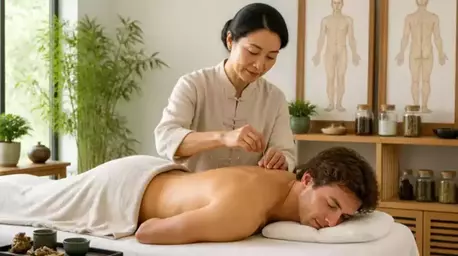
Acupuncture is an ancient practice that has captured the attention of many in the realm of holistic health. At its core, acupuncture involves the insertion of thin needles at specific points on the body, designed to promote healing and balance. As we explore the intricate relationship between acupuncture and the nervous system, it’s fascinating to consider how this age-old technique aligns with our current understanding of human biology.
Historically, acupuncture has roots in traditional Chinese medicine, where it was used to regulate the body's energy flow or *Qi*. Over the centuries, this approach has evolved, integrating with various cultural practices and modern medical insights. Today, acupuncture is not just a method for treating ailments but is increasingly recognized for its therapeutic benefits, enhancing overall wellness.
Acupuncture serves as a powerful tool in addressing health issues and promoting well-being. It is often sought out for conditions like *chronic pain, stress management,* and even mental health challenges. One of the reasons it has gained popularity in wellness circles is its holistic approach, viewing the body as an interconnected system.
With a growing body of research supporting its efficacy, acupuncture has found a place in wellness programs worldwide. From busy urban centers to serene rural clinics, people are discovering how acupuncture can fit into their lives. Have you ever thought about how a simple needle could lead to profound changes in your health?
To truly appreciate acupuncture, it’s essential to understand its historical context. Originating in China over 2,000 years ago, this practice was developed as a method to maintain health and treat disease. By inserting needles into specific points, practitioners aimed to balance the body’s energy and address various ailments.
As I share this journey through acupuncture's history, I hope you can sense the connection to modern practices. The evolution of acupuncture has been shaped by cultural exchanges and scientific discoveries. It’s fascinating to see how ancient wisdom can harmonize with contemporary health approaches!
In recent years, acupuncture has surged in popularity, becoming a favored option among those looking for alternative health solutions. This rise is partly due to its diverse applications, which include pain management and mental health support. More people are turning to acupuncture as part of their wellness routine, often finding it complements their existing health practices.
It's not just about *treating* conditions; acupuncture also emphasizes overall well-being. Here at Acupuncture Perspectives, I’ve had the pleasure of witnessing transformative health journeys. For example, many clients report enhanced relaxation and improved mood after just a few sessions. Isn't it amazing how something so simple can yield such profound effects?
The impact of acupuncture on our neurobiological pathways is a burgeoning area of research. When needles are inserted, they stimulate various processes within the body, leading to changes in the way our nervous system functions. Understanding this connection can shed light on how acupuncture provides relief for so many.
Through this exploration, we will delve into how acupuncture triggers the release of important neurotransmitters and activates nerve pathways. This insight not only enhances our comprehension of acupuncture but also helps us appreciate its role in modern healthcare.
Did you know? Regular acupuncture sessions can help maintain not only physical health but also emotional well-being. Many practitioners recommend incorporating acupuncture into your wellness routine, not just for treating ailments but as a preventive measure to enhance overall health and resilience.
When it comes to acupuncture, many people have questions about how it stacks up against other treatments. At Acupuncture Perspectives, I often hear inquiries about the effectiveness of acupuncture compared to popular wellness practices like meditation, medications, and physical therapy. Each treatment has its unique strengths and weaknesses, but understanding these can help you make an informed choice for your health journey!
First, let's explore how acupuncture measures up against these alternatives. Meditation can provide relaxation and stress relief, medications can address specific symptoms, and physical therapy can enhance movement and reduce pain. However, acupuncture offers a holistic approach, often addressing multiple issues simultaneously, which can be particularly beneficial for chronic conditions. Here’s a quick comparison:
Understanding who should avoid acupuncture is also crucial, especially for those with specific health conditions. For instance, individuals with certain bleeding disorders or those who are pregnant should consult with their healthcare provider before starting treatment. Knowing these contraindications can help ensure a safe experience.
As for side effects, acupuncture is generally well-tolerated, with minimal risks when performed by a qualified practitioner. Some might experience slight bruising or temporary soreness, but these are typically minor. It's essential to weigh these factors when considering your options!
For more detailed information, consider reading about acupuncturists' insights on safety and efficacy.
Another question I often encounter is about the safety and efficacy of electroacupuncture versus traditional needling. Electroacupuncture uses electrical impulses to stimulate acupuncture points, which some patients find enhances their treatment experience. While both methods are safe when performed correctly, the choice ultimately depends on individual comfort and treatment goals.
In my practice, I find that some patients respond particularly well to electroacupuncture, especially those looking for pain relief or seeking additional stimulation of the acupuncture points. It’s always exciting to see how different techniques can work for different individuals!
One of the remarkable aspects of acupuncture is its ability to adapt to individual patients. Factors such as age, the severity of the condition, and even genetic predisposition can influence how effective acupuncture will be. Understanding these elements can help you set realistic expectations for your treatment.
For optimal results, it’s essential to consider the recommended dosage and treatment frequency. Many practitioners suggest starting with weekly sessions, gradually adjusting based on your specific needs. It's all about tailoring the approach to fit *you*! Discover more about acupuncture insights for chronic conditions to understand its adaptability.
At Acupuncture Perspectives, I strongly believe in patient education. Tailoring treatment protocols to meet individual needs is crucial for ensuring that each patient understands their journey. This personalized approach not only enhances the effectiveness of acupuncture but also empowers patients, making them active participants in their health.
In conclusion, by addressing common questions and concerns about acupuncture, I hope to provide clarity and encourage those curious about this ancient practice. Remember, every health journey is unique, and I invite you to explore how acupuncture might fit into your wellness routine! You can find more information on understanding acupuncture and Chinese medicine.
Here is a quick recap of the important points discussed in the article:
A: Acupuncture promotes healing by influencing the body's energy flow, known as *Qi*, through the insertion of thin needles at specific points. This helps balance the body's systems, addressing various ailments and enhancing overall well-being.
A: Research suggests that acupuncture stimulates neurobiological pathways, leading to the release of neurotransmitters like endorphins, serotonin, and dopamine. These chemicals can improve mood, reduce pain, and promote overall well-being.
A: While meditation focuses on mental well-being and medications offer targeted relief with potential side effects, acupuncture provides a holistic approach. It can address multiple health issues simultaneously, making it particularly beneficial for chronic conditions, and generally has minimal side effects.
A: Yes, individuals with certain bleeding disorders or those who are pregnant should consult their healthcare provider before undergoing acupuncture. People with specific skin conditions might also need to exercise caution.
A: Acupuncture treatment is highly personalized. Factors such as age, the severity of the condition, genetic predisposition, and overall health and lifestyle all influence the treatment protocol. Practitioners tailor sessions and frequency to meet individual needs for optimal results.
For additional reading, check out our comprehensive guide on acupuncture in integrative medicine.