Stay Updated!

Subscribe to get the latest insights and updates straight to your inbox.

Acupuncture in Middle Eastern Care


Acupuncture in Middle Eastern Care

Posted on: 2026-10-29
By: Kaiya Whitmore


What if an ancient practice could hold the key to modern health challenges? Acupuncture, with its roots deep in Traditional Chinese Medicine, is making waves across the Middle East as a complementary therapy that enhances traditional medical treatments. This article delves into its significance, integration into healthcare systems, and the compelling evidence supporting its use.

What You Will Learn

  • Acupuncture is a holistic approach that connects the body, mind, and spirit, enhancing overall wellness rather than just symptom management.
  • The practice is increasingly recognized in Middle Eastern healthcare, particularly in countries like Qatar and the UAE, as part of a shift towards integrative healthcare models.
  • Understanding the principles of Traditional Chinese Medicine (TCM) is crucial, as they emphasize restoring balance through targeted acupuncture treatments.
  • Acupuncture often complements herbal medicine, physical therapy, and mindfulness, creating a comprehensive treatment approach for various health conditions.
  • Regulatory frameworks across Middle Eastern countries vary, impacting how acupuncture is practiced and accepted within healthcare systems.
  • Challenges such as health disparities and economic barriers can limit access to acupuncture, highlighting the need for increased awareness and acceptance among the population.
  • Evidence from clinical trials demonstrates acupuncture's effectiveness in pain management, anxiety reduction, and enhancing the quality of life, especially for chronic conditions.
  • Adopting evidence-based guidelines in practice can optimize patient outcomes, ensuring acupuncture remains a relevant therapeutic option in modern healthcare.

Key Characteristics of Healthcare Systems in the Middle East

Acupuncture's integration into healthcare systems varies by region, influenced by distinct characteristics. To learn more about how this ancient practice fits into broader medical contexts, explore Acupuncture's Role in Western Medicine.

Public and Private Healthcare

Most countries offer a mix of public and private services, allowing for varied patient choices.

Insurance Coverage

Coverage for acupuncture varies, influencing accessibility for many patients.

Focus on Modernization

Countries are investing in improved facilities and technology to enhance healthcare delivery.

Urban vs. Rural Divide

Urban areas often have better access to healthcare services, including acupuncture.

Understanding Acupuncture's Role in Middle Eastern Healthcare Systems

Acupuncture has become an intriguing topic in the realm of healthcare, especially in the Middle East. It’s more than just a series of needle placements; it’s a holistic approach that connects the body, mind, and spirit. In this section, we’ll explore the significance of acupuncture in medicine and how it integrates with various healthcare practices in this culturally rich region.

Defining Acupuncture and Its Significance in Medicine

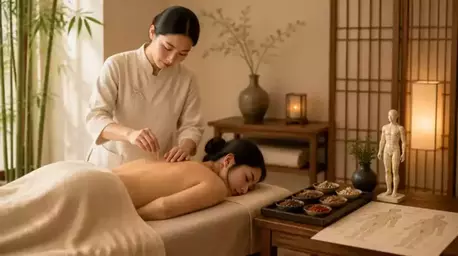
Acupuncture is a form of complementary and integrative medicine that revolves around inserting thin needles into specific points on the body. This ancient practice, rooted in Traditional Chinese Medicine (TCM), is believed to stimulate the body's energy flow or Qi. Its significance in medicine lies not only in its pain-relief capabilities but also in its role in treating various health conditions. Have you thought about how this ancient healing art could complement modern healthcare?

Overview of Acupuncture as a Form of Complementary and Integrative Medicine

In many parts of the world, including the Middle East, acupuncture is viewed as a complementary therapy that enhances conventional medical treatments. It's often used alongside other therapies to help manage chronic pain, anxiety, and various other conditions. Patients appreciate that it offers a gentle approach, focused on overall wellness rather than just symptom management.

In places like Qatar and the UAE, acupuncture has gradually gained acceptance and is included in some public health initiatives. This growing recognition reflects a shift towards a more integrative healthcare model, where patients can benefit from both Western medicine and traditional practices. For a deeper dive into the advantages, consider reading our insights on Acupuncture Benefits.

Traditional Chinese Medicine Principles and Their Influence

The principles of TCM significantly influence acupuncture practices. Central to TCM is the belief that health is maintained by a balanced flow of energy, or Qi, throughout the body. When this flow is disrupted, it can lead to illness. Acupuncturists work to restore balance by targeting specific points on the meridians, the pathways through which Qi travels. This approach allows for tailored treatments that address individual health needs, fostering a deeper connection to one’s body.

Acupuncture's Relationship with Herbal Medicine and Other Therapies

Acupuncture does not stand alone; it often works hand-in-hand with herbal medicine and other therapies. Here’s how they complement each other:

  • Herbal Medicine: Many acupuncturists incorporate herbal supplements to enhance treatment effects, addressing underlying issues while acupuncture deals with symptom relief.
  • Physical Therapy: Combining acupuncture with physical therapy can speed up recovery for musculoskeletal injuries by reducing pain and inflammation.
  • Mindfulness and Meditation: Integrating these practices can improve mental health outcomes, creating a comprehensive approach to wellness.

At Acupuncture Perspectives, we believe that understanding these relationships is crucial for expanding the practice of acupuncture in the region. By exploring how acupuncture fits into broader health systems, we can help more people discover its benefits! To understand this ancient healing art more profoundly, read about Understanding Acupuncture and Chinese Medicine.

Healthcare Systems in the Middle East: An Overview

Now let’s shift our focus to the healthcare systems in the Middle East, which play a vital role in how acupuncture is utilized. Countries like Qatar, the UAE, and Saudi Arabia have unique healthcare landscapes that impact the acceptance and regulation of complementary therapies like acupuncture.

Key Characteristics of Healthcare Systems in Qatar, UAE, Saudi Arabia, Egypt, Lebanon, and Iraq

The healthcare systems in these countries vary widely but share some common features:

  • Public and Private Healthcare: Most countries have a mix of public and private healthcare services, allowing patients to choose what best fits their needs.
  • Insurance Coverage: Insurance plays a significant role in accessibility, with some plans covering acupuncture treatments while others do not.
  • Focus on Modernization: Many countries are investing in modern facilities and technology to improve healthcare delivery.

These characteristics shape how acupuncture is integrated into the broader healthcare framework, influencing both patient access and practitioner training.

Regulatory Frameworks Governing Healthcare Practices in These Regions

Regulatory frameworks are crucial for ensuring safe and effective acupuncture practices. Each country has established its own set of regulations that guide practitioners and ensure quality care. For instance, some nations require practitioners to undergo formal training and certification, while others may have more relaxed standards. Understanding these regulations is essential for anyone interested in exploring acupuncture in the Middle East.

Healthcare Accessibility and Health Disparities in the Region

Despite advancements, health disparities still exist across the Middle East. Access to acupuncture and other complementary therapies can be limited due to various factors, including socioeconomic status and geographic location. Here are some challenges that arise:

  • Urban vs. Rural Divide: Urban areas often have better access to healthcare services, including acupuncture, compared to rural regions.
  • Awareness and Acceptance: There is still a need for greater awareness of acupuncture's benefits among the general population.
  • Economic Barriers: High costs associated with acupuncture and lack of insurance coverage can prevent many from seeking these valuable treatments.

In conclusion, as we delve deeper into understanding acupuncture's role in the Middle Eastern healthcare landscape, it's clear that it holds significant potential. By embracing this ancient practice within modern frameworks, we can enhance overall well-being and improve health outcomes for individuals. Exploring these dynamics is just the beginning of a fascinating journey!

Pro Tip

Did you know that incorporating acupuncture into your treatment plan can enhance the effectiveness of other therapies? For example, patients who combine acupuncture with physical therapy often experience quicker recovery from injuries and improved pain management. So, whether you’re seeking relief from chronic pain or looking to enhance your wellness journey, consider discussing acupuncture with your healthcare provider!

Patient Outcomes and Evidence Supporting Acupuncture Use

Acupuncture has increasingly gained recognition for its potential benefits, particularly in the realm of patient outcomes. As a holistic practitioner, I find the growing body of evidence surrounding acupuncture's effectiveness quite compelling. It's fascinating to see how this ancient practice aligns with modern healthcare needs, especially in treating various health conditions.

When discussing patient outcomes, it’s essential to highlight the role of evidence-based practices. Acupuncture, as we see at Acupuncture Perspectives, serves as a valuable tool for pain management. Through carefully conducted case studies, we can observe how this integrative approach has transformed lives by alleviating chronic pain and improving overall well-being.

Evidence-Based Practices: Acupuncture for Pain Management

One of the most significant areas where acupuncture shines is in managing pain, particularly musculoskeletal pain. Numerous case studies demonstrate how patients experience relief from conditions like back pain, arthritis, and migraines. For instance, a recent study involving patients with chronic lower back pain found that those who received acupuncture reported a marked reduction in pain levels compared to those who did not.

Here are some notable case studies that illustrate the effectiveness of acupuncture:

  • A 45-year-old woman with fibromyalgia reported significant improvement in her pain levels after regular acupuncture sessions.
  • A 60-year-old man with osteoarthritis experienced enhanced mobility and reduced discomfort following treatment.
  • High school athletes utilized acupuncture to recover from sports injuries, with many returning to play faster than expected.

These examples not only underscore acupuncture's impact on chronic conditions but also highlight its potential as a complementary therapy. It’s encouraging to see how integrating acupuncture into treatment plans can lead to improved patient outcomes. For more insights into how acupuncture can help with various conditions, explore Acupuncture Insights for Chronic Conditions.

Review of Clinical Trials and Quality of Evidence in the Region

The quality of evidence supporting acupuncture has been reinforced through various clinical trials conducted in the Middle East. As I delve into these studies, I find it inspiring to see how research provides a solid foundation for the practice. For instance, trials assessing acupuncture's effectiveness for managing anxiety have shown promising results, demonstrating its therapeutic benefits in a culturally relevant context.

In reviewing these trials, we can find:

  • Improved pain relief for patients undergoing surgery when acupuncture is used as an adjunct therapy.
  • Studies indicating reduced symptoms of anxiety and depression among patients receiving acupuncture.
  • Evidence supporting acupuncture's role in enhancing the quality of life for cancer patients.

Such clinical findings reinforce the need for continued research and integration of acupuncture into healthcare systems across the region.

Evidence Synthesis and Clinical Practice Guidelines for Patient Outcomes

Synthesizing evidence from multiple studies allows us to establish clinical practice guidelines that can help practitioners optimize patient outcomes. I encourage fellow practitioners to stay informed and adopt these guidelines to ensure the best possible care for our clients. Incorporating acupuncture into treatment protocols not only enhances patient satisfaction but also solidifies its role as a legitimate therapeutic option.

Some recommended guidelines include:

  • Regular assessment of patient progress to determine the effectiveness of acupuncture.
  • Ensuring that acupuncture is part of a comprehensive treatment plan that may include other modalities.
  • Promoting patient education on the benefits and limitations of acupuncture.

By adhering to evidence-based guidelines, healthcare providers can ensure that acupuncture remains a relevant and effective option for patients seeking relief and holistic health solutions. For additional perspectives on how acupuncture is being adopted globally, consider reading Global Perspectives on Acupuncture.

Frequently Asked Questions (FAQs)

What is acupuncture and how is it perceived in the Middle East?
Acupuncture is a complementary and integrative medicine practice rooted in Traditional Chinese Medicine (TCM). It involves inserting thin needles into specific body points to stimulate energy flow (Qi). In the Middle East, particularly in countries like Qatar and the UAE, it's increasingly recognized as a complementary therapy that enhances conventional medical treatments, reflecting a shift towards integrative healthcare models.
How do Traditional Chinese Medicine (TCM) principles influence acupuncture?
TCM principles are central to acupuncture, emphasizing that health is maintained by a balanced flow of Qi. Illness occurs when this flow is disrupted. Acupuncturists aim to restore balance by targeting specific points along meridians, which are pathways for Qi, allowing for tailored treatments.
Can acupuncture be combined with other therapies?
Yes, acupuncture often works effectively with other therapies. It can be combined with herbal medicine to address underlying issues, physical therapy to speed up recovery from musculoskeletal injuries, and mindfulness or meditation to improve mental health outcomes, providing a comprehensive approach to wellness.
What are the key challenges to acupuncture accessibility in the Middle East?
Challenges include health disparities, such as the urban vs. rural divide where urban areas have better access. There's also a need for greater awareness and acceptance among the general population, and economic barriers like high costs and limited insurance coverage can prevent many from seeking treatments.
What evidence supports the use of acupuncture for pain management?
Numerous clinical trials and case studies demonstrate acupuncture's effectiveness in managing pain. Studies show significant reductions in pain levels for conditions like chronic lower back pain, fibromyalgia, osteoarthritis, and sports injuries. Research also indicates its role in reducing anxiety, depression, and enhancing the quality of life, especially for chronic conditions and cancer patients.

Recap of Key Points

Here is a quick recap of the important points discussed in the article:

  • Acupuncture as Holistic Medicine: Acupuncture is a complementary therapy that integrates with modern healthcare, focusing on overall wellness rather than just symptom management.
  • Influence of Traditional Chinese Medicine: The principles of TCM, particularly the flow of Qi, guide acupuncture practices, promoting tailored treatments for individual health needs.
  • Integration with Other Therapies: Acupuncture works effectively alongside herbal medicine, physical therapy, and mindfulness practices to enhance overall treatment outcomes.
  • Healthcare Systems in the Middle East: A mix of public and private healthcare services shapes the accessibility and acceptance of acupuncture across countries like Qatar, UAE, and Saudi Arabia.
  • Regulatory Frameworks: Each country has its own regulations governing acupuncture practices, which are essential for ensuring quality care and practitioner training.
  • Evidence-Based Practices: Clinical studies support acupuncture's effectiveness in managing pain, anxiety, and improving patient outcomes, emphasizing the need for continued research and integration.
  • Guidelines for Practice: Regular assessment of patient progress and incorporating acupuncture into comprehensive treatment plans can optimize care and enhance patient satisfaction.

Subscribe & Share
Acupuncture in Middle Eastern Care Acupuncture in Middle Eastern Care What if an ancient practice could hold the key to modern health challenges? Acupuncture, with its ro
Understanding Korean Acupuncture Techniques Understanding Korean Acupuncture Techniques Ever wondered how ancient practices can seamlessly blend with modern wellness? Traditional Korean ac
Healing Trauma with Acupuncture Outreach Healing Trauma with Acupuncture Outreach Did you know that integrating acupuncture into disaster relief can significantly enhance emotional r
Welcome to Acupuncture Perspectives!
Enhancing Your Understanding of Acupuncture

Acupuncture Perspectives is dedicated to enlightening individuals and practitioners with the knowledge and insights necessary to thrive in the realm of holistic health. Our mission is to bridge ancient wisdom with modern wellness, providing a platform rich in evidence-based case studies and expert insights.


Recent Posts
Acupuncture in Middle Eastern Care Acupuncture in Middle Eastern Care

What if an ancient practice could hold the key to

Understanding Korean Acupuncture Techniques Understanding Korean Acupuncture Techniques

Ever wondered how ancient practices can seamlessly

Healing Trauma with Acupuncture Outreach Healing Trauma with Acupuncture Outreach

Did you know that integrating acupuncture into dis