Effectiveness
Acupuncture demonstrates a genuine effect on immune modulation, while sham treatments typically do not.
Subscribe to get the latest insights and updates straight to your inbox.
Posted on: 2026-09-14
By: Kaiya Whitmore
Acupuncture is more than just a wellness trend; it's a practice steeped in history that has significant implications for our immune health. As we explore how this ancient art can interact with modern medicine, consider the profound effects it may have on your well-being and the way you understand healing.
This section outlines the key differences in effectiveness, patient experience, and cost-effectiveness between acupuncture, sham treatments, and standard care. For a deeper dive into its historical context and significance, you might find our article on Understanding Acupuncture and Chinese Medicine particularly insightful.
Acupuncture demonstrates a genuine effect on immune modulation, while sham treatments typically do not.
Many patients report enhanced well-being and satisfaction with acupuncture compared to standard care.
Acupuncture may reduce the need for expensive medications and treatments, making it a viable option for long-term management.
Research shows that while sham acupuncture might provide some relief, it lacks the genuine benefits of traditional acupuncture.
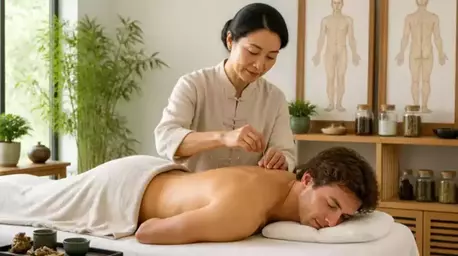
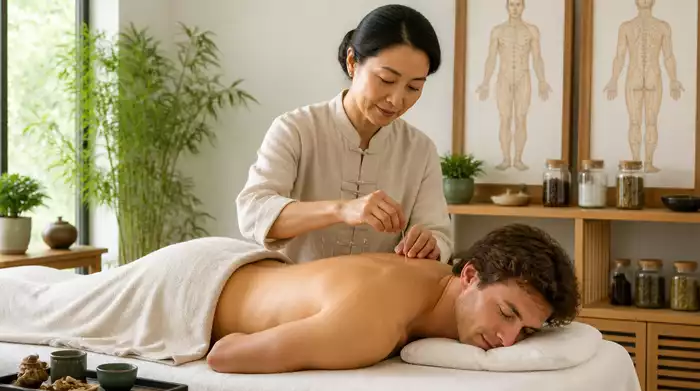
Acupuncture has captivated the attention of many, bridging the ancient with the modern in fascinating ways. This traditional healing practice, rooted in Chinese medicine, involves inserting thin needles at specific points on the body to promote healing and balance. It’s remarkable to see how acupuncture, a practice that dates back thousands of years, has become a critical topic in discussions about health and wellness today! Let’s dive deeper into its historical context and significance.
At its core, acupuncture is about restoring balance within the body. This ancient practice is part of Traditional Chinese Medicine (TCM), which views health as a harmonious balance between mind, body, and spirit. By stimulating specific points, or acupoints, acupuncture aims to promote the flow of energy, or Qi (Chi), throughout the meridian system. This approach has been employed for centuries, helping countless individuals find relief from various ailments.
In my journey as an acupuncturist at Acupuncture Perspectives, I've witnessed firsthand the incredible stories of healing that emerge from this practice. Many patients have shared how acupuncture has not only alleviated their physical discomfort but also fostered emotional well-being. Each treatment embodies a connection to a rich tapestry of history and culture, making it even more meaningful.
Today, acupuncture is increasingly recognized in the Western world as a complementary therapy. Many healthcare providers are integrating it into treatment plans, particularly for pain management and stress relief. Research has shown that acupuncture can enhance the effects of conventional medicine, making it an appealing option for those seeking holistic care. For more details on this integration, explore Acupuncture's Role in Western Medicine.
The growing acceptance of acupuncture in modern medicine is exciting! As practitioners, we strive to bridge the gap between ancient wisdom and contemporary health practices, ensuring that patients receive comprehensive treatment tailored to their unique needs.
In Traditional Chinese Medicine, Qi is considered the vital life force that flows through all living beings. When Qi is balanced, health is maintained; however, blockages or imbalances can lead to illness. Understanding how to cultivate and maintain this energy is crucial for overall well-being.
As I've learned from my experiences, embracing the concept of Qi can profoundly influence one's health journey. It encourages individuals to be more attuned to their bodies and recognize the signs when something feels off, opening the door to healing through acupuncture.
Acupoints are specific locations on the body where acupuncture needles are inserted. Each point corresponds to different bodily functions and emotional states. For example, stimulating a point on the wrist can help alleviate anxiety, while another on the lower back may address chronic pain. Knowing these connections is essential for effective treatment.
As we continue exploring acupuncture's effects on the immune system, it's essential to understand how these ancient practices are intertwined with modern science. The journey into this fascinating world reveals a wealth of knowledge that can empower us all!
The immune system is our body's defense mechanism against infections and diseases. It consists of a complex network of cells, tissues, and organs that work together to protect us. When a threat is detected, the immune system springs into action, identifying and eliminating pathogens like bacteria and viruses.
By understanding our immune system better, we can appreciate how acupuncture might enhance its function. The more we know, the more we can take control of our health! Wouldn’t it be exciting to find out how a few tiny needles might support this vital system?
The immune response can be divided into two main components: innate immunity and adaptive immunity. Innate immunity serves as our first line of defense, acting quickly to thwart invaders. In contrast, adaptive immunity develops over time, creating a tailored response based on previous encounters with pathogens.
Recognizing the differences between these immune responses helps us understand how acupuncture can play a role in balancing and enhancing their effectiveness. Exciting, right? As we move forward, we’ll explore the mechanisms by which acupuncture influences our immune health, and you can delve deeper into its benefits by reading our Insights on Acupuncture Benefits article!
Here's a brief recap of the key points discussed so far:
As we wrap up our exploration of acupuncture's profound influence on the immune response, it's important to consider how this ancient practice stacks up against other treatment modalities. Acupuncture, with its unique approach to healing, offers a compelling alternative or complement to conventional therapies. So, how does it compare to sham treatments and standard care? Let's delve into the key differences!
When evaluating acupuncture's effectiveness, comparing it to sham treatments can shed light on its true benefits. Studies have shown that acupuncture often outperforms placebo interventions, leading to significant improvements in immune function and overall health. Here are some essential points of comparison:
Research consistently shows that while sham acupuncture might provide some relief, it lacks the genuine benefits of traditional acupuncture. This highlights the importance of choosing treatments that genuinely address the body's needs. For those considering acupuncture, it’s crucial to consult with trained practitioners who can personalize treatments effectively. You can learn more about finding qualified professionals in our article on Choosing the Right Acupuncturist.
Of course, safety always comes first. Knowing the contraindications of acupuncture can help ensure a safe experience. Here are some important considerations:
So, when should patients consider acupuncture for immune support? Many experts agree that acupuncture can be particularly beneficial during times of stress or illness. It's a natural way to boost your immune response and may be effective for:
Looking ahead, research continues to uncover the vast potential of acupuncture in supporting immune health. Future studies may focus on:
Acupuncture doesn’t have to stand alone! Integrative medicine approaches that combine acupuncture with other therapies can yield even better results. For instance, pairing acupuncture with relaxation techniques or dietary adjustments can create a powerful holistic health strategy.
Here are some effective combinations to consider:
Herbal medicine is another excellent companion to acupuncture. Many practitioners, including those at Acupuncture Perspectives, often recommend herbal supplements to support treatments further. This combination can help:
As we conclude this exploration, I invite you to take the next step in your health journey. If you're considering acupuncture, it's essential to find qualified practitioners who can tailor treatments to your unique needs. At Acupuncture Perspectives, we are dedicated to connecting you with reputable acupuncturists who share our mission of holistic health. Explore more about acupuncturists' approach to patient care.
Here are some resources to help you find trained acupuncturists:
Lastly, I encourage you to educate yourself further about acupuncture. Whether you’re curious about its mechanisms or seeking personal stories, a wealth of information is available. By becoming informed, you empower yourself to make the best health choices. Remember, your well-being is worth investing in!
Here is a quick recap of the important points discussed in the article: