Increased Patient Access
Patients, particularly in rural areas, experienced greater access to care.
Subscribe to get the latest insights and updates straight to your inbox.
Posted on: 2026-08-11
By: Kaiya Whitmore
What if you could receive expert acupuncture advice from the comfort of your living room? The rise of telehealth is transforming the way we think about traditional healing practices, making them more accessible and personalized than ever before. This article delves into the significant implications of telehealth in acupuncture, particularly in the wake of the COVID-19 pandemic, and how it integrates seamlessly with modern healthcare solutions.
Telehealth has significantly reshaped acupuncture practices, particularly during the pandemic. Below are some key impacts observed:
Patients, particularly in rural areas, experienced greater access to care.
Telehealth allowed for better education on self-care techniques.
Practitioners were able to maintain better communication with patients.
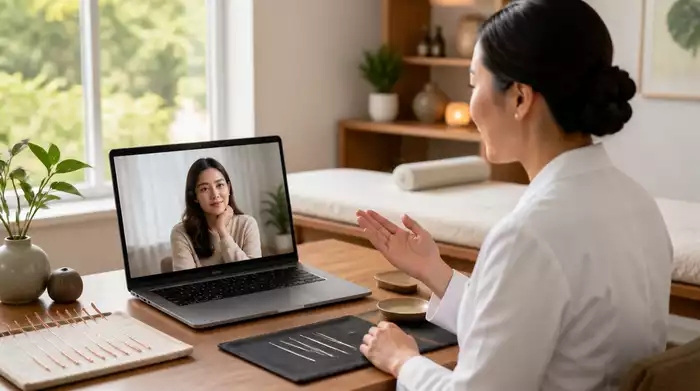
In the rapidly evolving world of healthcare, telehealth has emerged as a game-changer, especially in acupuncture consultations. But what exactly is telehealth? It refers to the use of digital communication tools to provide health care services remotely. This means that patients can connect with acupuncturists from the comfort of their homes, making it more convenient and accessible for everyone involved.
Telehealth has carved out a vital role in acupuncture by allowing practitioners to reach clients who may not have been able to visit a clinic in person. It opens the door for personalized care, where practitioners can guide patients through their health journeys, even at a distance. At Acupuncture Perspectives, we believe that embracing technology can enhance our understanding of traditional practices while making them more available. For a deeper understanding of traditional practices, explore our insights into acupuncture and Chinese medicine.
Telehealth encompasses a variety of services that can be delivered remotely, including consultations, follow-ups, and health education. In the context of acupuncture, it often enhances the initial assessment process.
This new method allows acupuncturists to adapt their practices to fit the needs of modern patients. It’s important to keep in mind that while telehealth offers tremendous benefits, it may not completely replace traditional, in-person acupuncture treatments.
The pandemic has significantly reshaped healthcare practices, and acupuncture is no exception. During this unprecedented time, many practitioners turned to telehealth to maintain connections with their patients. Suddenly, virtual consultations became a necessity rather than a luxury.
Here are some transformative effects we observed during this period:
By utilizing telehealth, acupuncturists were able to continue providing care while also addressing the unique challenges posed by COVID-19. It reinforced the idea that acupuncture can thrive in various formats, keeping the spirit of healing alive! You can also discover more about healing through acupuncture with real stories.
As telemedicine expands, integrating acupuncture into its framework can feel like a natural fit. It’s about blending the ancient wisdom of acupuncture with modern technology to create a holistic experience for patients.
Some key elements of this integration include:
At Acupuncture Perspectives, we are dedicated to exploring these innovative practices, ensuring that acupuncture remains relevant and accessible to everyone. By embracing telehealth, we not only cater to our patients' needs but also foster a deeper connection to the rich traditions of acupuncture. Isn’t that something worth celebrating?
Here's a brief recap of the key points discussed so far:
As we look ahead, the intersection of telehealth and acupuncture is poised for exciting developments. With technology rapidly evolving, practitioners like myself at Acupuncture Perspectives are witnessing a transformation in how we deliver care. By embracing these changes, we can reach more patients and enhance their health journeys.
One promising trend is the integration of artificial intelligence (AI) and machine learning into telehealth platforms. These technologies can help personalize acupuncture treatments by analyzing patient data and suggesting tailored approaches. It's fascinating to think about how these innovations can bring acupuncture even closer to those seeking holistic health solutions!
Long-term innovations in telehealth are not just about technology; they also involve adapting our practices to better serve patients. For instance, at Acupuncture Perspectives, I've seen how incorporating holistic tools, like mindfulness techniques and stress management strategies, can enhance the remote experience. Telehealth can be a catalyst for comprehensive well-being, creating a more integrated approach to patient care.
Furthermore, ongoing training for practitioners will be essential. Telehealth offers unique challenges, and being equipped with the necessary skills—like effectively communicating through screens—will enhance the patient experience. This continuous education ensures that we are providing the best care possible, no matter the medium. Exploring expert insights on acupuncture education can provide valuable context for practitioners.
Looking ahead, remote acupuncture consultations may become even more mainstream. As patients become accustomed to telehealth for various healthcare needs, the demand for virtual acupuncture will likely rise as well. Imagine joining a session from the comfort of your home while still receiving expert guidance! I believe this convenience will encourage more people to explore acupuncture as a part of their wellness routine.
Moreover, as more research emerges supporting the efficacy of telehealth in acupuncture, I anticipate an increase in acceptance among traditional healthcare providers. This could create a more collaborative environment where acupuncture is recognized as a valuable component of integrative health.
The rise of health technology is already making waves in acupuncture practices. Tools such as virtual reality (VR) and augmented reality (AR) could allow for immersive learning experiences for both practitioners and patients. This advancement would not only enhance treatment efficacy but also improve patient understanding of their conditions.
Additionally, the ability to track progress remotely through wearable devices offers a new dimension to acupuncture. Patients can monitor changes in their health over time, providing valuable data that can inform treatment adjustments. At Acupuncture Perspectives, we are excited about these possibilities that can lead to better outcomes and patient satisfaction! For more details on the scientific backing for these treatments, consider reading about acupuncture scientific insights on effectiveness.
As telehealth in acupuncture gains traction, many patients may have questions. It's essential to address these common concerns to help foster understanding and acceptance. Here are some frequently asked questions that I often encounter:
Q1: What is telehealth in the context of acupuncture?
A1: Telehealth in acupuncture refers to the use of digital communication tools, such as video calls, to provide remote healthcare services. This includes consultations, follow-ups, self-care guidance, and health education from the comfort of your home.
Q2: Can telehealth replace in-person acupuncture treatments?
A2: While telehealth offers significant benefits in terms of accessibility and convenience, it may not completely replace traditional, in-person acupuncture treatments, especially those involving direct needle insertion. However, it effectively covers many essential aspects of acupuncture care, like counseling, lifestyle guidance, and personalized treatment plans.
Q3: How did COVID-19 impact the adoption of telehealth in acupuncture?
A3: The COVID-19 pandemic significantly accelerated the adoption of telehealth in acupuncture, turning virtual consultations into a necessity. This helped practitioners maintain connections with patients, increased patient access to care (especially in rural areas), enhanced patient education on self-care, and improved communication between practitioners and patients.
Q4: What are the future trends for telehealth in acupuncture?
A4: Future trends include the integration of AI and machine learning for personalized treatment plans, expansion of mobile health applications, greater collaboration with other healthcare providers, wider acceptance by insurance companies, and the use of health technology like wearable devices for remote progress tracking and immersive learning experiences.
Q5: Are telehealth acupuncture sessions as effective as in-person visits?
A5: While direct needle insertion is not possible online, many aspects of acupuncture care, such as counseling, lifestyle guidance, and personalized self-care techniques, can be effectively delivered through virtual means. Research indicates increasing patient satisfaction with telehealth, highlighting its effectiveness in maintaining patient care and improving health outcomes through enhanced communication and engagement.
One of the biggest misconceptions is that telehealth cannot provide the same benefits as in-person treatments. However, many modalities, like counseling and lifestyle guidance, can be effectively delivered through virtual means. It’s important to remember that while direct needle insertion is not possible online, many essential aspects of acupuncture care can still be addressed.
Understanding the legal landscape is crucial. Regulations can vary by state, so checking local laws is essential before transitioning to telehealth. It’s beneficial to know what to expect in terms of documentation and insurance coverage to ensure a seamless experience. At Acupuncture Perspectives, we prioritize staying informed to provide our patients with the best guidelines possible.
Research indicates that patient satisfaction with telehealth is increasing, particularly as technology evolves. Many patients appreciate the convenience and accessibility of remote consultations. As a practitioner, I believe that fostering communication and engagement during these sessions can greatly enhance overall satisfaction and health outcomes. For more insights on acupuncture benefits, visit our expert section.
In conclusion, the impact of telehealth on acupuncture practices is profound and far-reaching. By adapting to this new landscape, we can continue to provide valuable care to our patients. It's a great opportunity for both practitioners and patients to embrace these innovations together.
As we move forward, here are some key takeaways to keep in mind:
Embracing telehealth innovations in acupuncture is not just a trend; it's a vital step toward a more accessible and holistic approach to health. By leveraging these technologies, we can reach a broader audience and support their healing journeys. I encourage everyone to explore the possibilities that telehealth offers!
Lastly, as we navigate this new terrain, it’s crucial to remember the importance of holistic health and stress reduction. Telehealth provides an excellent opportunity to incorporate techniques like mindfulness and self-care into our routines. Together, we can cultivate a more balanced, healthy lifestyle, one telehealth session at a time.
Here is a quick recap of the important points discussed in the article: