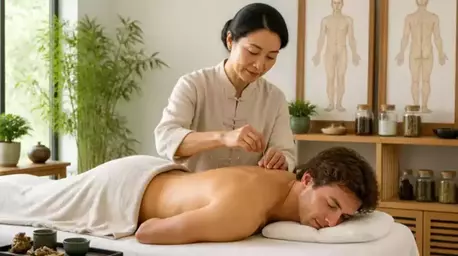
Impact on Health
- Addresses chronic pain effectively
- Promotes mental health and emotional well-being
- Integrates well into cultural healing practices
Subscribe to get the latest insights and updates straight to your inbox.
Posted on: 2026-06-25
By: Kaiya Whitmore
Acupuncture is not just an ancient healing method; it's a potential lifeline for communities in developing nations, where healthcare resources are often limited. As we explore its role, consider how an effective, culturally accepted treatment could revolutionize health equity for millions.
Acupuncture provides holistic solutions for chronic pain and mental health challenges, especially in low-resource settings. Below is an overview of its impact and accessibility. To learn more about how it works, explore understanding acupuncture and Chinese medicine.
Promoting acupuncture through training and awareness initiatives.
Focus on training opportunities, policy changes, and community awareness to enhance accessibility.
Acupuncture is more than just a treatment; it's a bridge to health in many developing nations. As a passionate advocate for holistic health, I find it incredibly important to discuss how this ancient practice can significantly enhance health outcomes in low-resource settings. By addressing both physical and emotional needs, acupuncture creates a pathway for better health that can transcend economic barriers.
In places where healthcare resources are scarce, the affordability and effectiveness of acupuncture become vital. Imagine communities where traditional medicine meets modern wellness strategies; this is where acupuncture steps in. Its low-cost nature allows it to fit seamlessly into the healthcare framework of these areas, offering relief to those who need it most.
Acupuncture plays a crucial role in addressing pain management and mental health needs in underprivileged regions. Many people in these areas suffer from chronic pain, stress, and anxiety but lack access to adequate medical care. For instance, consider how acupuncture can provide relief and improve the quality of life for those dealing with persistent pain or anxiety—it’s a powerful tool, as explored in Acupuncture Insights for Pain Relief.
Moreover, acupuncture is a culturally accepted practice in many societies. It aligns with traditional healing methods, making it easier for communities to embrace. This acceptance fosters a sense of belonging, allowing individuals to take control of their health through familiar treatments.
The dual impact of acupuncture on physical and mental health is particularly noteworthy. Chronic pain affects not only the body but also the mind, leading to a cycle of discomfort and emotional distress. In my practice at Acupuncture Perspectives, I’ve seen firsthand how acupuncture helps break this cycle, relieving pain while simultaneously uplifting spirits.
This holistic approach is especially critical in low-income areas where patients may not have access to pharmaceutical options. By utilizing acupuncture, individuals can find relief without the burden of high costs or the side effects often associated with medications. The result? Increased resilience and improved overall well-being!
Cultural acceptance of acupuncture is a game-changer in expanding its reach. In many developing nations, traditional methods are respected and valued. When acupuncture is introduced as a complementary therapy, it often garners trust and credibility among the local populace.
Furthermore, the affordability of acupuncture makes it an attractive option. Compared to other medical treatments, acupuncture requires fewer resources and can be scaled more easily within communities. This makes it not just accessible but also sustainable in the long run.
To understand how acupuncture is integrated into low-resource settings, we must take a closer look at the current landscape. It’s an evolving field, with various regions adopting acupuncture in unique ways. Countries like India and Guatemala are finding innovative ways to integrate this ancient practice into their healthcare systems.
Additionally, the role of governments and NGOs in promoting acupuncture is pivotal. They work tirelessly to raise awareness and provide training for local practitioners. This collaborative effort enhances the availability of acupuncture services and ultimately improves health outcomes in these regions, a topic further explored in Global Acupuncture Practices Uncovered.
Here's a brief recap of the key points discussed so far:
As we explore the potential of acupuncture in developing nations, it becomes increasingly clear that this ancient practice can play a vital role in promoting health equity. By enhancing access to acupuncture, we can address significant health disparities affecting low-resource communities. Many individuals suffering from chronic pain and mental health issues could benefit immensely from acupuncture treatments, providing a holistic approach to well-being that aligns beautifully with the mission of Acupuncture Perspectives.
Moreover, exploring the importance of addressing barriers to acupuncture access allows us to create a more inclusive healthcare system. This means understanding and tackling issues like regulatory challenges, lack of trained practitioners, and economic constraints. By working together, we can pave the way for more effective and widely available acupuncture services in these communities.
Acupuncture has the potential to transform healthcare in developing nations by bridging the gap between conventional medicine and traditional healing practices. However, to maximize its impact, we must focus on a few key areas:
By prioritizing these areas, we can create a foundation that allows acupuncture to thrive in settings where it is desperately needed. This collaboration between healthcare professionals, policymakers, and communities can lead to lasting improvements in health outcomes.
To foster greater access to acupuncture, we must acknowledge and address various barriers that currently hinder its implementation. Many individuals in developing nations face challenges such as:
By understanding these barriers, we can work towards practical solutions that make acupuncture more accessible to those in need. This is where organizations like Acupuncture Perspectives can play a crucial role in raising awareness and driving change. Further insights can be found in discussions around Acupuncture's Role in Global Health.
Supporting the integration of acupuncture into public health policies is essential for fostering an environment where holistic therapies can flourish. Effective policy reform can lead to:
These reforms can create a robust framework for acupuncture, allowing it to become a trusted component of healthcare in developing nations. It’s a step towards recognizing the significance of alternative therapies alongside conventional medicine.
Finally, emphasizing evidence-based practice in acupuncture is key to demonstrating its effectiveness in improving health outcomes. Research studies and case reports can provide valuable insights into how acupuncture positively impacts various conditions, from chronic pain to mental health disorders. By documenting these successes, we can build a compelling case for the inclusion of acupuncture in global health strategies, as seen in Latest Research on Evidence-Based Acupuncture.
As we explore the rich tapestry of acupuncture’s potential in developing nations, it’s crucial to remain committed to fostering equitable access to this ancient practice. The journey is just beginning, and each step we take can lead towards a healthier future for communities around the world. So, let’s work together to share knowledge, advocate for change, and enhance the accessibility of acupuncture for everyone!
Here is a quick recap of the important points discussed in the article: